
A doctor who went to see the workers
Bernardino Ramazzini was born in 1633 in Carpi, in the Duchy of Modena. He studied medicine at the University of Parma, became court physician to the Duke of Modena, and was appointed to the chair of medical theory at the University of Modena in 1682. In 1700, he joined the University of Padua, where he taught until his death in 1714.
His method was highly unusual for a professor of medicine at the time: he visited workplaces, observed workers’ movements, and spoke with them about their ailments. He drew on these experiences to write *De morbis artificum diatriba* (“On the Diseases of Workers”), published in 1700 and expanded in 1713. In it, he described the risks associated with more than fifty occupations.
It is this book that has earned him, even today, the title of “father of occupational medicine.”
It was not until 1950 that the International Labor Organization and the World Health Organization jointly adopted the first international definition of occupational health.
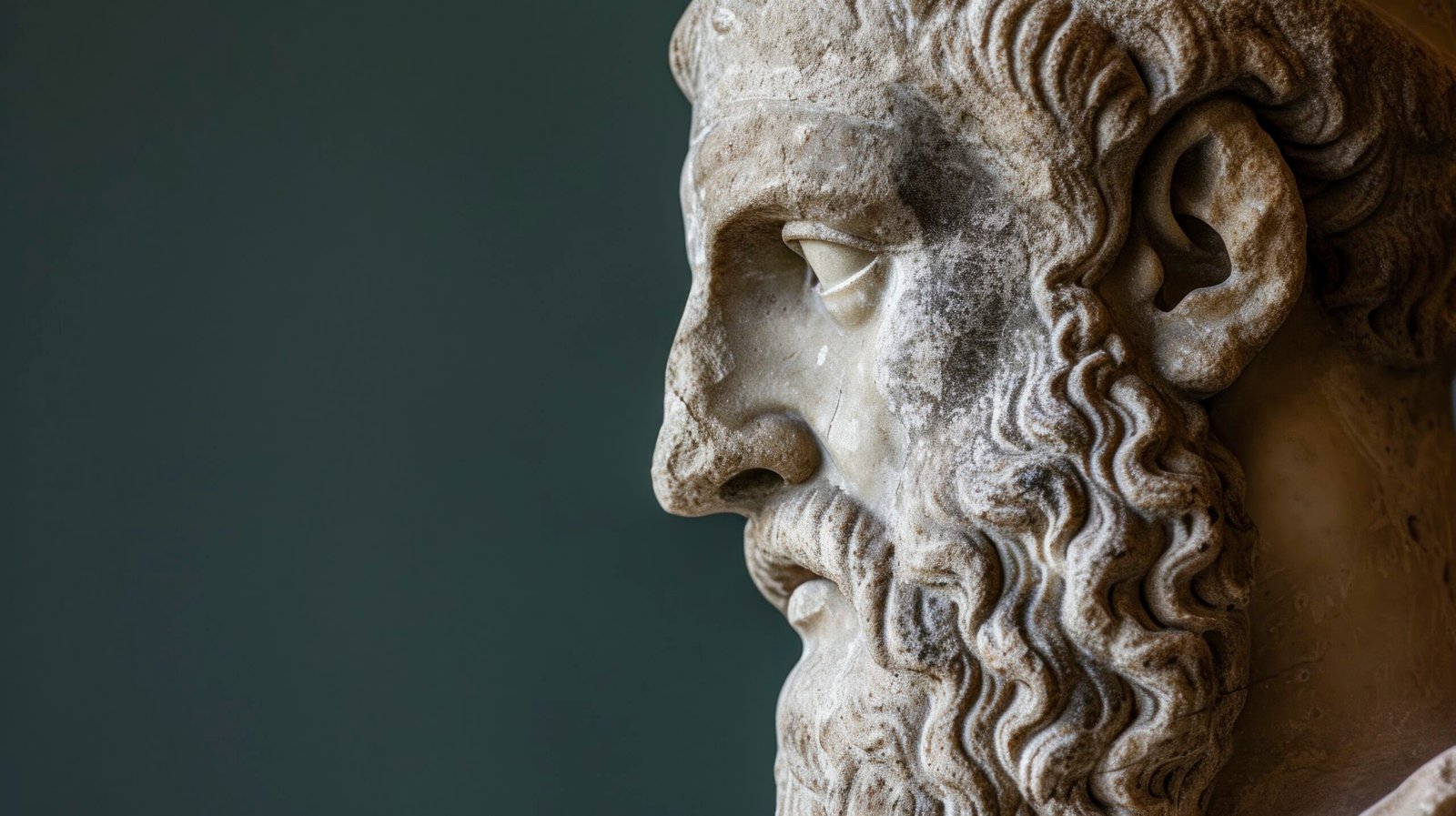
A question added to those of Hippocrates
Since ancient times, doctors have drawn inspiration from the questions Hippocrates recommended asking patients: what ails them, how long they’ve been suffering, and what they’ve eaten. In the preface to his book, Ramazzini suggests adding one more: what is their occupation?
The question seems obvious today. At the time, it was revolutionary. It implies that illness cannot be explained solely by the patient’s body, but also by what they do every day and where they do it. Ramazzini systematically questioned his patients about their work and recommended that all doctors do the same.
In a speech from 1711, he summarized his philosophy in a single sentence that could serve as the motto for occupational health: prevention is far better than cure.
Observations of surprising modernity
Each chapter follows the same structure: a review of what is already known, a description of the workplace, questions posed to workers, a description of the illness, and then advice and remedies. It is, ahead of its time, a method for analyzing actual working conditions.
But his most forward-thinking insight went beyond toxic substances. Ramazzini understood that not all occupational diseases stem from the chemical or physical environment. Some arise from prolonged postures, repetitive, forceful, or irregular movements, or from carrying heavy loads. In this way, three centuries ahead of his time, he described what we now call musculoskeletal disorders.
He also considered practical prevention. In mines, he suggested a simple precaution: observe the flame of a candle. If it flickers, the area must be ventilated. And he recommended avoiding costly treatments that workers could not afford.
Why the issue remains crucial today
Mines and lime kilns have given way to offices, computer screens, and remote work. But Ramazzini’s question has lost none of its power.
It remains a medical reflex. Wrist pain, a persistent cough, unexplained fatigue, anxiety: without knowing what a person does for a living, we may overlook the cause.
Its scope has broadened. “What do you do for a living?” is no longer enough. Today, we also ask: How is the work organized? What is the workload, the level of autonomy, and the support available? Psychosocial risks naturally extend Ramazzini’s insight into causes that are neither chemical nor physical.
It is grounded in ethics. Going to see the work where it’s done, listening to those who do it, and proposing accessible solutions: this was already Ramazzini’s approach in 1700. It remains the hallmark of occupational health worthy of the name.
More than three centuries later, the lesson can be summed up in one sentence: to understand a person’s health, you must take an interest in their work.
Sources and References
• Bernardino Ramazzini: the father of occupational medicine. Articlepublished on PubMed Central.
• Frezza G. (2016). Pre-occupation and Pre-vention. Work, Environment, and Medicine in Bernardino Ramazzini’s *De morbis artificum diatriba*. *Medicina nei Secoli*.
• Ramazzini B. (1700, 1713). *De morbis artificum diatriba*. English translation: W. C. Wright, *Diseases of Workers*, citations reproduced by Asthma History.
• Bernardino Ramazzini, Wikipedia (biographical dates).